
Zircon Sand
Zirconium silicate (ZrSiO₄) concentrate recovered from heavy mineral sand deposits — supplied in premium and standard grade, plus milled zircon flour, with an independent certificate of analysis on every lot.
What zircon sand is, and why it is bought
Zircon is zirconium silicate, ZrSiO₄. It occurs as a heavy mineral in ancient beach and dune sand deposits, where it is recovered alongside ilmenite, rutile and monazite by gravity, magnetic and electrostatic separation. The resulting concentrate is a free‑flowing, pale cream to light brown sand.
What makes zircon commercially valuable is a rare combination of properties: it is highly refractory, chemically inert, has very low thermal expansion, and delivers exceptional opacity in a ceramic glaze at low addition rates. No synthetic substitute matches it economically, which is why demand tracks tile, sanitaryware and specialty ceramics production worldwide.
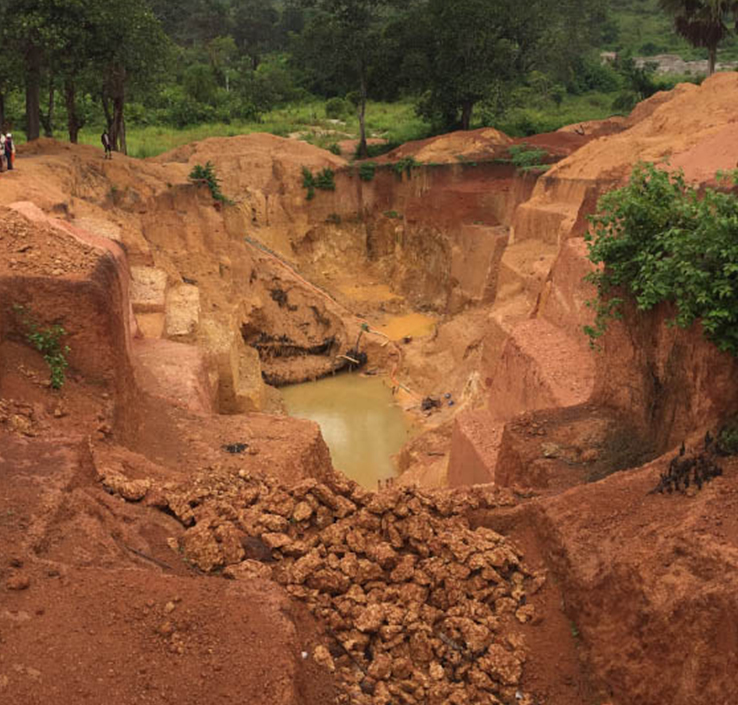
We supply zircon sand from vetted Sub‑Saharan producers, with every lot sampled and analysed by an independent inspectorate before loading.
65–66% ZrO₂+HfO₂
Premium grade zircon concentrate, with standard grade available where a higher impurity tolerance is acceptable.
Independent assay
Chemical analysis, moisture and particle size distribution certified by SGS, Bureau Veritas or Cotecna.
FIBC or bulk
1 MT lined jumbo bags, 25/50 kg palletised bags, or loose bulk in lined containers.
Typical chemical analysis
Figures below are indicative of the material we routinely handle. The binding specification for any transaction is the one written into the sales contract and confirmed by the pre‑shipment certificate of analysis.
| Component | Typical | Guarantee | Method |
|---|---|---|---|
| ZrO₂ + HfO₂ | 65.8 % | min 65.0 % | XRF |
| SiO₂ | 32.5 % | — | XRF |
| TiO₂ | 0.11 % | max 0.15 % | XRF |
| Fe₂O₃ | 0.06 % | max 0.10 % | XRF |
| Al₂O₃ | 0.20 % | max 0.35 % | XRF |
| P₂O₅ | 0.09 % | max 0.15 % | XRF |
| Moisture | < 0.10 % | max 0.20 % | Oven, 105 °C |
| Component | Typical | Guarantee | Method |
|---|---|---|---|
| ZrO₂ + HfO₂ | 64.2 % | min 63.0 % | XRF |
| SiO₂ | 32.0 % | — | XRF |
| TiO₂ | 0.25 % | max 0.35 % | XRF |
| Fe₂O₃ | 0.18 % | max 0.25 % | XRF |
| Al₂O₃ | 0.90 % | max 1.50 % | XRF |
| P₂O₅ | 0.12 % | max 0.20 % | XRF |
| Moisture | < 0.15 % | max 0.30 % | Oven, 105 °C |
| Parameter | Typical | Guarantee | Method |
|---|---|---|---|
| ZrO₂ + HfO₂ | 65.5 % | min 64.5 % | XRF |
| D₅₀ particle size | 1 – 5 µm | to order | Laser diffraction |
| Residue on 45 µm | < 0.05 % | max 0.10 % | Wet sieve |
| Fe₂O₃ | 0.08 % | max 0.12 % | XRF |
| Whiteness | ≥ 92 | to order | Colorimeter |
| Moisture | < 0.10 % | max 0.20 % | Oven, 105 °C |
Grain size and material data
| Chemical formula | ZrSiO₄ (zirconium silicate) |
| Appearance | Free‑flowing sand, pale cream to light brown |
| Typical grain size | 75 – 150 µm (approx. 100–200 mesh) |
| Specific gravity | 4.6 – 4.7 g/cm³ |
| Bulk density (loose) | 2.6 – 2.9 t/m³ |
| Mohs hardness | 7.0 – 7.5 |
| Thermal expansion | approx. 4.5 × 10⁻⁶ /°C |
| Refractoriness | Highly refractory; dissociates to ZrO₂ + SiO₂ above approx. 1,675 °C |
| Chemical behaviour | Inert to most acids, alkalis and molten metals |
Where our zircon goes
Ceramics & glazes
The single largest end use. Milled zircon is the standard opacifier in glazes for floor and wall tile, sanitaryware and tableware, giving whiteness and opacity at low addition rates.
Refractories
Zircon bricks, castables and coatings for glass melting furnaces, steel ladles, tundishes and continuous casting nozzles, where thermal shock resistance and slag attack matter.
Foundry & investment casting
Zircon sand and flour for moulds, cores and shell systems in precision casting — chosen for low thermal expansion, high refractoriness and excellent surface finish.
Zirconium chemicals & fused zirconia
Feedstock for fused and chemical zirconia, zirconium chemicals and zirconium metal used in catalysts, abrasives, electronics and specialty alloys.
Also supplied into specialty glass, abrasive media, ceramic pigments and technical ceramics. Tell us the end use and we will recommend the grade.
How it is packed and moved
| Option | Detail | Loading |
|---|---|---|
| FIBC / jumbo bag | 1,000 or 1,250 kg bulk bags with inner polyethylene liner | approx. 26 MT / 20′ FCL |
| Small bags | 25 kg or 50 kg PP bags, palletised and shrink‑wrapped | approx. 25 MT / 20′ FCL |
| Loose bulk | Container liner bag, direct discharge | approx. 27–28 MT / 20′ FCL |
| Break bulk / vessel | Parcel shipment for larger tonnages | By negotiation |
Documents supplied with every shipment
- Commercial invoice and packing list
- Bill of lading
- Certificate of origin
- Independent certificate of analysis (chemical assay, moisture, PSD)
- Weight and quality inspection certificate
- Safety data sheet and radiological data
Naturally occurring radioactivity
Like all zircon of mineral sand origin, our material contains trace uranium and thorium locked in the crystal lattice, and is therefore classed as a naturally occurring radioactive material (NORM) in many jurisdictions. This is normal for the commodity and does not affect its performance in any of the applications above.
We supply a safety data sheet and radiological data with every consignment, and pack, label and declare shipments in line with the transport and import rules of the destination country. If your site operates under a specific NORM licence or activity threshold, send us the limit with your enquiry and we will confirm compliance before contracting.
- Dust control: zircon should be handled to minimise airborne dust; milled grades are supplied in sealed packaging.
- Supplier due diligence: counterparties are screened in the spirit of the OECD Due Diligence Guidance for mineral supply chains.
- Traceability: each lot is traceable to its producing operation and inspection record.
Questions buyers ask
Send us your zircon specification.
Grade, tonnage, packing and destination port — we come back with price, availability and a shipping window.